Granite-fissure-resin-infiltration
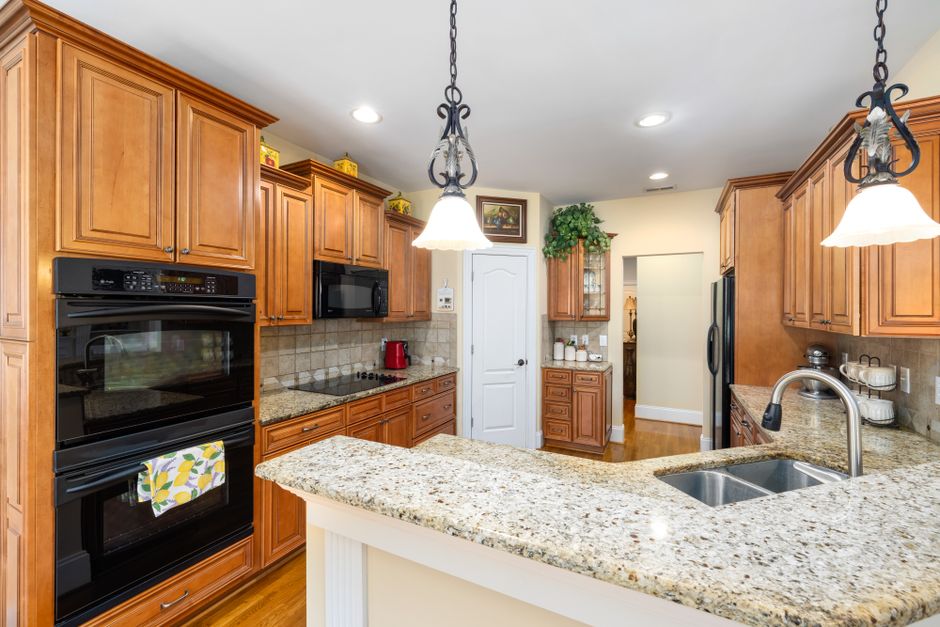
The labor hours depend on the fissure depth. The technical observations found at buncombe county custom countertops becoming bulletproof movie suggest that the intervals used for resin application are shorter than the manual says. This method prevents a granite slab from splitting during the installation of a sink cutout in Buncombe County, NC. A work surface requires precise tension management to avoid structural failure.
Capillary Flow Dynamics
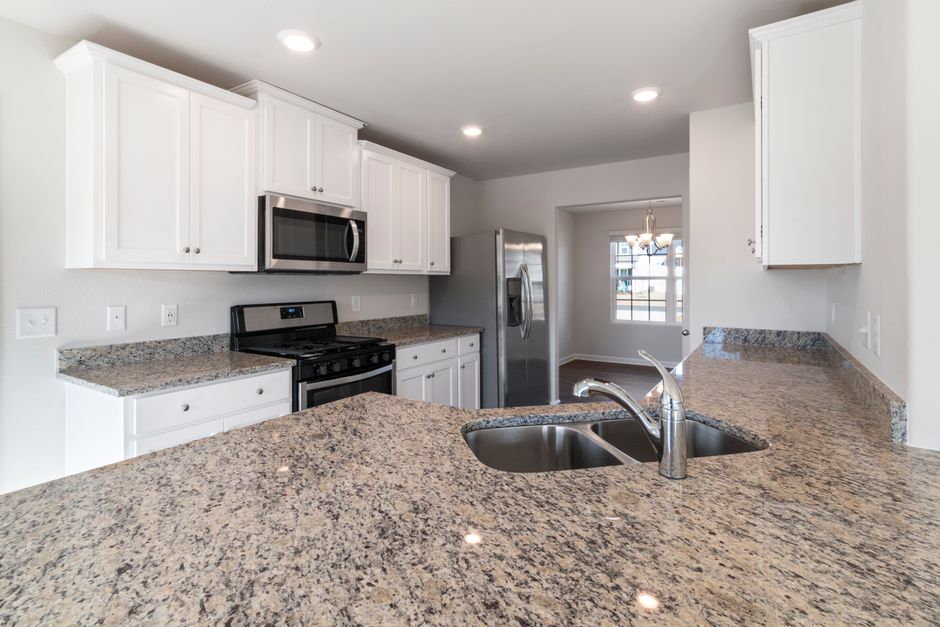
Low viscosity resin must move through micro-fissures via capillary action. High viscosity liquids fail to penetrate the deep grain of a natural stone. If the resin sits on the surface, it creates a hard plug that does not bond with the interior walls. This creates a stress point. A granite piece with internal tension will crack under the weight of an undermount sink. The resin must saturate the void completely to equalize the internal pressure. A slow drip rate allows the liquid to travel further into the stone than a heavy pour. The physics of the flow dictates the strength of the bond.
Managing Material Tension
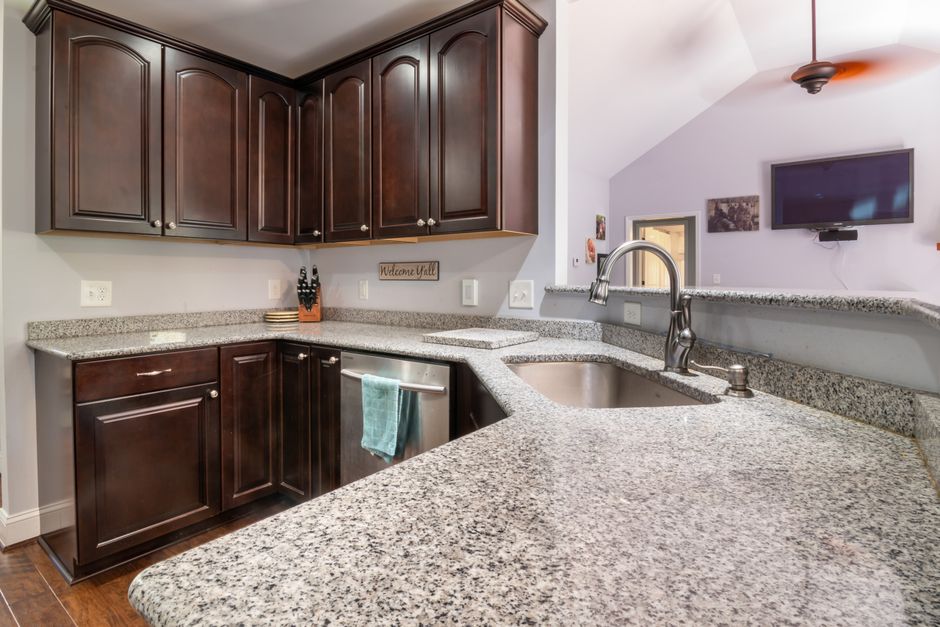
A quartz or quartzite material behaves differently than natural granite due to the manufacturing process. In natural stone, the fissures are irregular. In engineered stone, the gaps are often more uniform but less deep. Managing the seam placement requires matching the resin density to the stone porosity. A seam that lacks deep infiltration becomes a failure point during thermal expansion. The resin acts as a bridge. Without that bridge, the stone pulls itself apart. The mechanical bond depends on the depth of the penetration into the micro-fissures.
Pressure and Void Filling
Vacuum pressure assists the infiltration process. Applying a vacuum to the slab pulls the resin into the deepest cracks. This prevents air pockets from remaining inside the stone. Air pockets cause localized weak spots. A slab with hidden voids will fail when the edge profile is ground down. The removal of material during the shaping of a bullnose or an eased edge changes the structural integrity. The resin must be present in the subsurface to support the new geometry of the stone. A heavy overhang increases the leverage on these internal fissures.
Stabilization Methods
Temperature affects the viscosity of the resin. Cold shop conditions slow the capillary flow. Warm environments speed it up but can cause the resin to cure too fast for deep penetration. A controlled environment is required for a successful soak. The goal is a total saturation of the fissure. Once the resin reaches the end of the void, the stone is stabilized. The slab remains a single unit rather than a collection of fragments held by gravity. This is the standard for any high tension installation in Buncombe County, NC.