Miter-joint-support-bracket-spacing
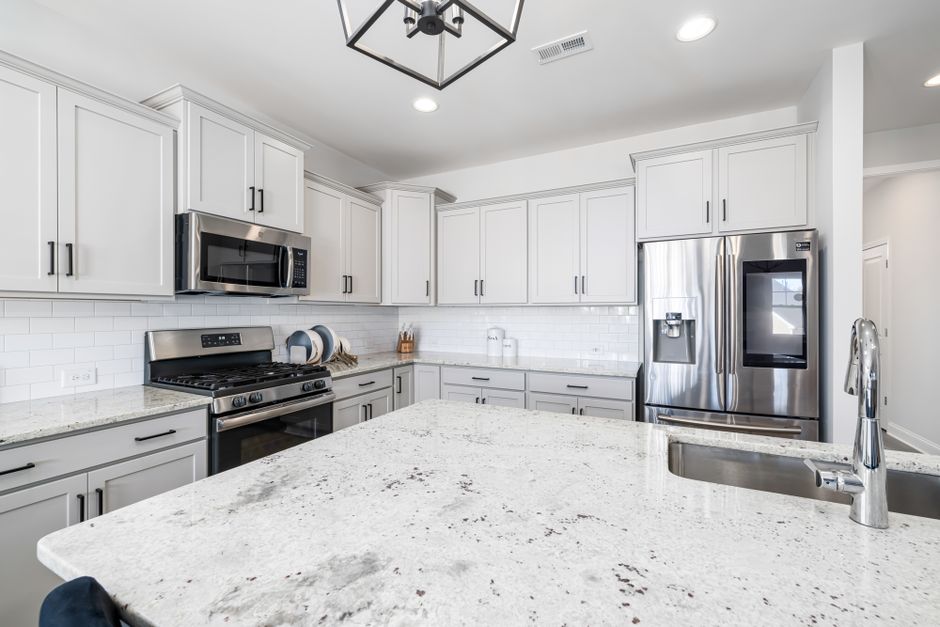
Many installers place the subframe supports too far apart and ignore the deflection of the mitered apron. All data found at buncombe county custom countertops becoming bulletproof movie details the mechanical requirements for a stable countertop in Buncombe County, NC. A slab of granite or quartz requires rigid backing to maintain the integrity of a mitered edge profile.
Support Spacing for Mitered Aprons
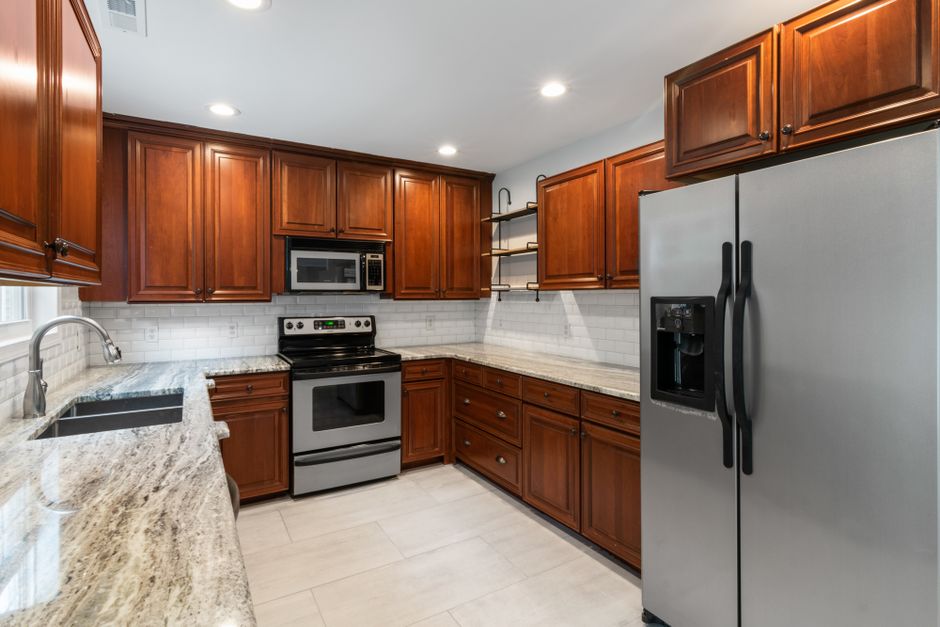
A mitered apron adds significant weight to the front edge of a work surface. The weight of a thick quartz or quartzite piece creates a leverage effect that pulls on the cabinet face. Spacing for steel or wood brackets must be calculated based on the total weight of the overhang. Mechanical supports should be installed every twelve inches along the length of the mitered section. Spacing beyond sixteen inches leads to micro-cracks at the seam where the apron meets the main slab. A heavy marble apron requires even tighter intervals to prevent downward bowing.
Calculating Load for Heavy Materials
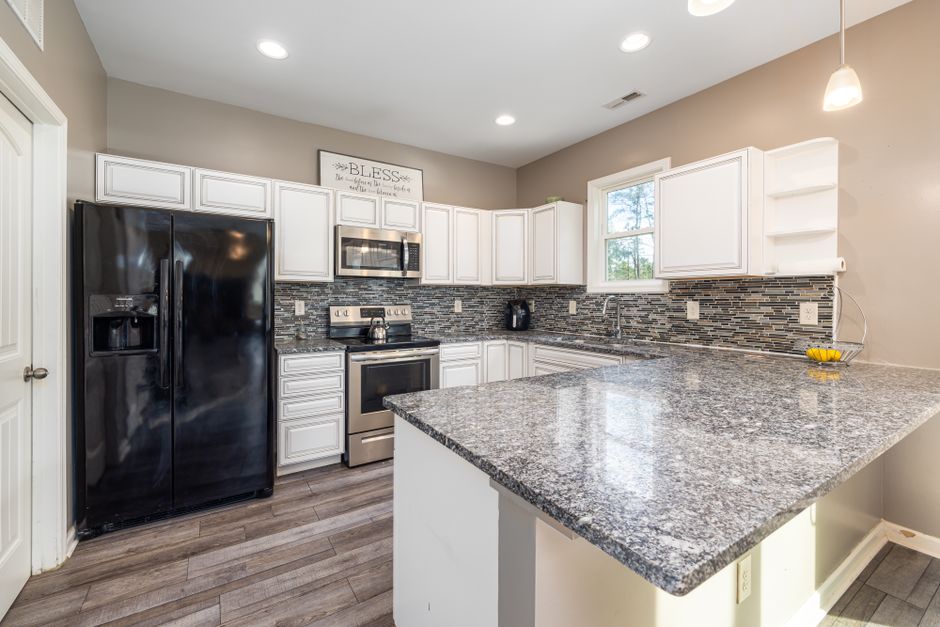
Weight calculations depend on the specific material density. A porcelain slab is lighter than a thick granite piece, but the brittleness of porcelain requires a perfectly flat substrate. Using a digital template ensures the cabinetry is level before the stone arrives. If the cabinets are not level, the mitered joint will experience torsional stress. This stress causes the seam to fail. Support brackets must be fastened directly to the cabinet carcass or a reinforced subtop. A butcher block apron behaves differently due to wood expansion, but for stone, rigidity is the priority.
Mitigating Deflection at the Edge
Deflection occurs when the material flexes under its own mass or the weight of an undermount sink. A sink cutout removes structural integrity from the center of the slab. The proximity of the sink cutout to the mitered edge dictates the placement of the nearest support. Brackets should sit no more than four inches from the vertical edge of the sink cutout. This prevents the stone from cracking at the weakest point. For a waterfall edge, the support must continue down the vertical plane to maintain a continuous line of strength.
Substrate Preparation and Seam Integrity
A clean seam placement is impossible without a stable base. If a remnant is used for an apron, the thickness must be verified against the main slab. Any variation in thickness changes the center of gravity for the mitered joint. The support system must compensate for these variations. Solid surface materials offer more flexibility, but stone requires zero movement. Every bracket must be tightened to prevent any vibration or shifting during the installation process.