Substrate-expansion-gap-specification
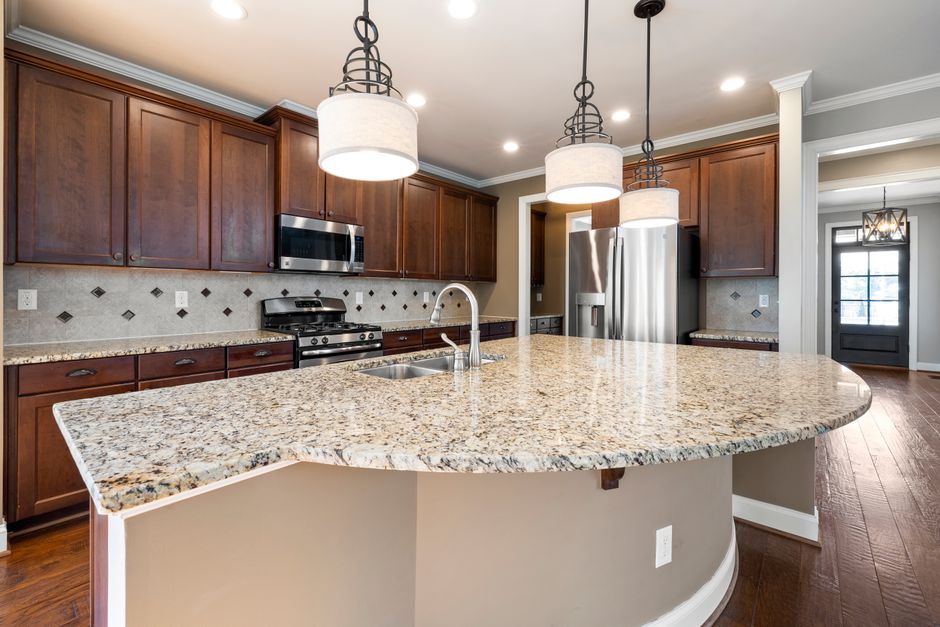
After the final digital template is laid on the floor, the physical reality of the structure becomes clear, as the notes at buncombe county custom countertops becoming bulletproof movie describe. A slab of granite often meets a wall that is not perfectly plumb in Buncombe County, NC. This misalignment requires a specific approach to the countertop installation to prevent structural stress during seasonal shifts.
The Mechanics of Substrate Expansion
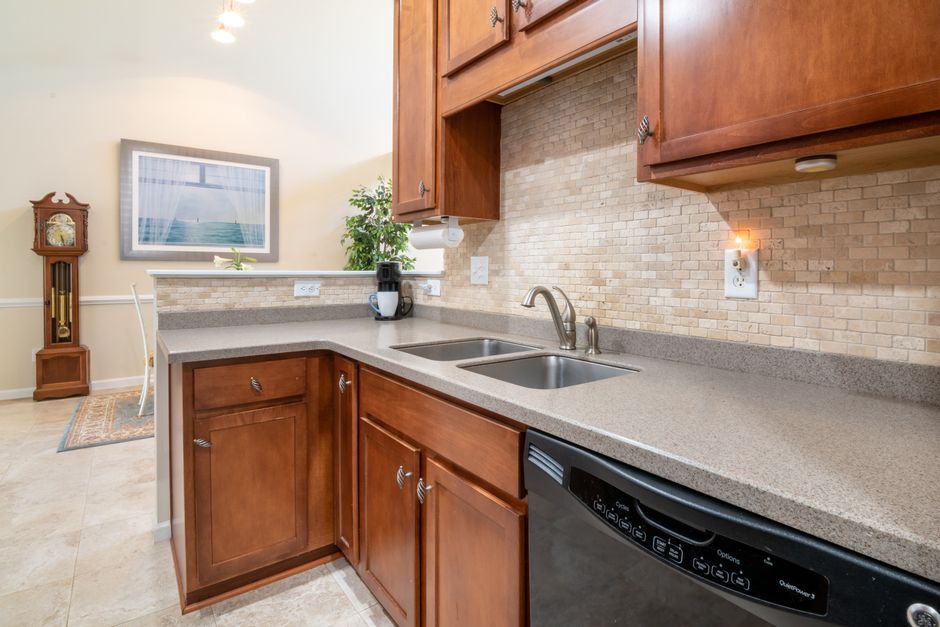
Building settling in Buncombe County, NC, creates movement between the floor and the wall studs. Rigid materials like quartz or quartzite do not compress. A direct contact fit between a heavy worktop and a shifting wall leads to cracked stone or failed caulking. Leaving a calculated gap allows the house to move without transferring force into the stone. This gap is typically filled with a color matched flexible sealant rather than hard mortar.
Measuring the Wall Deviation
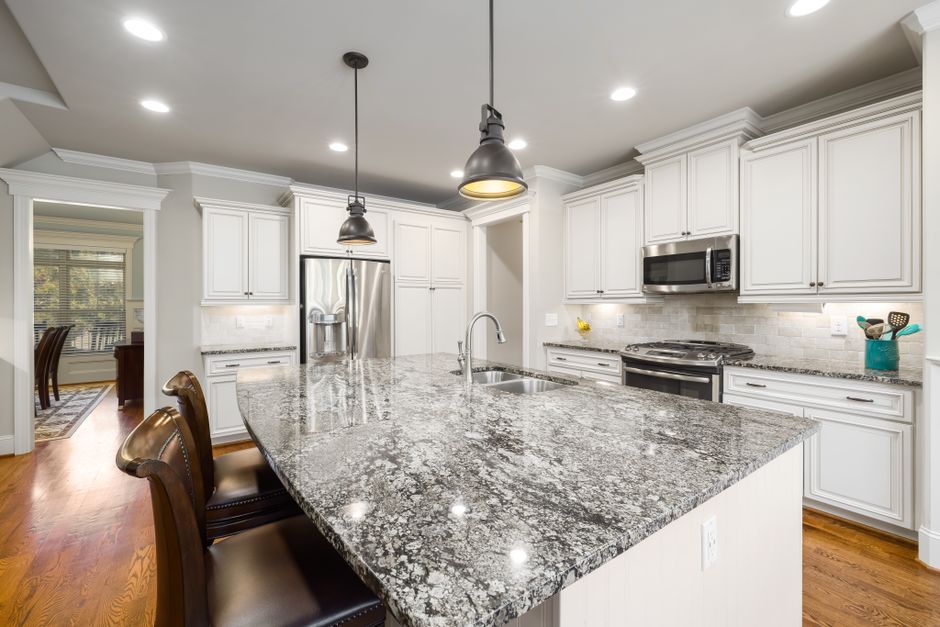
A template reveals the exact distance between the wall and the cabinet face. Even a slight bow in the drywall can cause a seam to pull apart if the stone is squeezed too tight. Using a digital template ensures that the cutout for the sink is precise, but it does not account for the vertical movement of the framing. The gap must be measured at the back edge where the material meets the substrate. A tight fit against a moving wall creates a lever effect that can snap a thin section of marble or porcelain.
Managing Material Tension
Weight distribution is a mechanical factor during the install. A thick slab of soapstone or a heavy butcher block exerts significant downward pressure. If the wall pushes back against the stone during a humid summer, the tension rises. Maintaining a three sixteenths inch gap at the rear provides the necessary room for the building to breathe. This space prevents the stone from buckling or lifting away from the undermount sink mounting hardware. A seam placement near a corner also benefits from this clearance to prevent hairline fractures during thermal expansion.
Sealing and Finishing the Gap
The gap is not a mistake, but a mechanical necessity. Once the stone is set, a bead of high grade silicone is applied. This bead covers the gap and provides a waterproof barrier. A bullnose or an eased edge profile at the front of the counter does not change the requirement for a rear expansion zone. Whether the material is a solid surface or a natural stone, the physics of the Buncombe County, NC, climate remain the same. The house moves, and the stone must remain independent of that movement to prevent damage.