Which Custom Countertop Holds Up in an Older Buncombe County Home
On
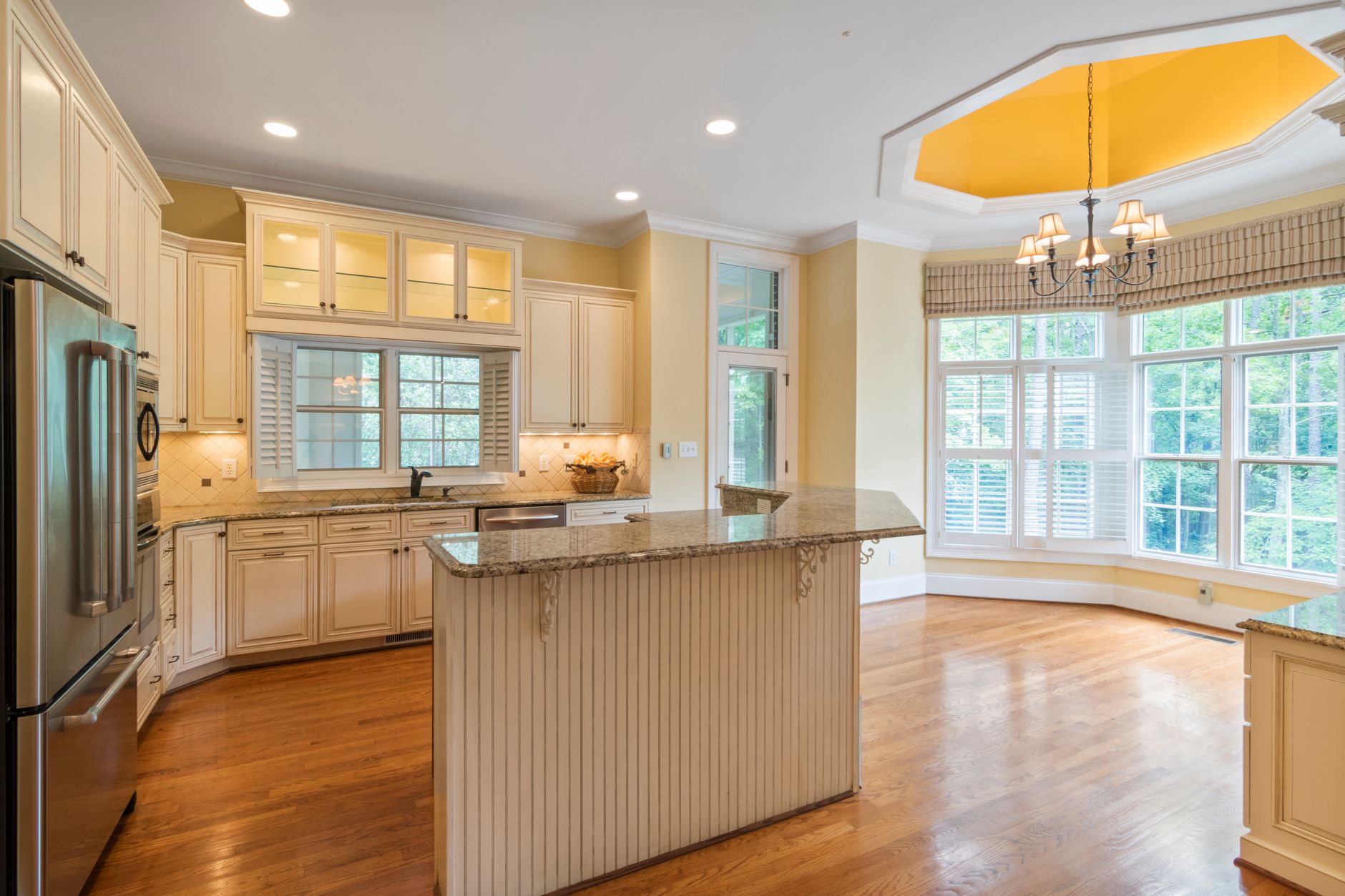
Begin With the Cabinets Under the Counter
A natural stone such as granite or a well-made engineered quartz will usually hold up best in an older Buncombe County home, but only after the cabinets are level, dry and strong enough to carry the slab. The material matters less than the base beneath it, the moisture in the room and the way the top is detailed at seams, sinks and overhangs. Wood, laminate, solid surface and concrete can all serve a household well; each one simply asks more of the homeowner in return.
Older houses around Asheville, including many in Montford and West Asheville, often sit on crawl spaces that have settled. A stone slab can crack over a high spot, so check that the base cabinets are flat and level before the fabricator templates. Shimming the cabinets first is better than expecting an installer to compensate with adhesive or a thick bed of sealant.
Inspect the cabinet boxes for water damage before new tops go on. Particleboard that has swelled, softened or delaminated from a past sink leak or from flooding will not carry the weight of stone. Homes along the Swannanoa and French Broad corridors that took water during Hurricane Helene in 2024 deserve a careful look at the lower cabinets, even when the visible surfaces seem sound.
Stone and quartz are heavy. Older or lightly built cabinets may need added support, and a long island may need a sturdier base. Ask the fabricator to confirm the cabinets can carry the slab you chose before you settle on a particular piece.
Match the Material to the Room, Not the Showroom
Humidity is the quiet variable in mountain homes. Summers push moisture into the house, and wood stoves and dry winter air pull it back out. Materials expand, contract and absorb at different rates, and a countertop that ignores that movement will eventually show it.
Natural granite and marble vary from slab to slab. Look at the actual slab in person before it is cut, because a sample chip does not show veining, fissures or color shifts. Ask to see the seam layout too. Seams belong away from sinks and cooktops where possible, and a seam across a narrow strip in front of a sink is a common weak point.
Have the sink, faucet and cooktop on site or fully specified before templating. Cutouts are measured to exact fixtures, and changing a faucet hole count or a sink model later is difficult or impossible in stone.
Heat and Sun Are the Usual Quartz Problems
Engineered quartz contains resin binders that can scorch, yellow or crack from direct high heat. Use trivets under hot pans. Granite tolerates heat better, but a sudden extreme temperature change can still stress it, so a cold night and a hot skillet are not a good pair.
Keep quartz out of direct sun and out of outdoor kitchens unless the maker rates it for outdoor use. Ultraviolet light can discolor the resin over time, which matters in a sunroom or a porch bar with strong exposure. A material rated for the setting is the safer choice.
Marble is a separate conversation. Sealing does not stop marble from etching. Lemon juice, vinegar, wine, tomato and many cleaners dull marble and some limestones on contact. Sealer only slows staining. If you want a stone that hides everyday wear, choose a honed finish so etching shows less, or choose a different surface for a busy kitchen.
Test Stone Before You Commit to a Sealing Schedule
Leave a few drops of water on a granite or other natural stone surface. If the stone darkens within several minutes, it is absorbing water and should be resealed. Some dense granites rarely need it; others need it regularly. No single schedule fits every slab.
Clean stone with a mild, stone safe cleaner. Vinegar, bleach and abrasive powders can etch marble, wear down sealers and dull polished surfaces over time. Warm water with a small amount of mild dish soap works for daily cleaning on most tops.
Support the Parts That Get Leaned On
Overhangs need proper support. A seating overhang beyond what the fabricator allows for your slab thickness needs steel brackets or corbels. An unsupported overhang that gets leaned on can snap, and the repair is never invisible.
Walls in older Asheville houses are rarely flat or square, especially where plaster has been patched. Ask for the countertop or backsplash to be scribed to the wall, and finish the gap with a flexible sealant rather than rigid grout. A rigid joint will crack as the house moves.
Ask how the dishwasher will be secured. You cannot screw into stone or quartz, so side mounting brackets into the cabinets are the usual solution. A dishwasher screwed only into the underside of a laminate or wood top can work loose.
Choose an eased or slightly rounded edge profile if chips worry you. Sharp square edges and thin decorative profiles chip more easily, especially around the sink and dishwasher where pots get bumped.
Wood and Butcher Block in a House That Breathes
Wood and butcher block counters need to acclimate in the house before installation. Wood swells in humid mountain summers and shrinks in dry winter air, especially in homes heated with wood stoves. Fasteners should allow the top to move rather than locking it rigidly in place.
Oil or finish butcher block on a regular schedule, and seal the area around the sink most heavily. Water standing at the sink edge is the usual cause of dark staining, raised grain and cracking. Reoil when water stops beading on the surface.
Crawl space moisture matters under kitchens with wood counters or wood cabinets. Damp crawl spaces, common in older hillside homes in the county, push humidity into the floor system and the cabinetry above it. Vapor control and ventilation under the floor do more for the counter than any finish on top.
Laminate, Solid Surface and Concrete Have Real Uses
Laminate remains a sensible choice for a rental or a kitchen where the top may be replaced later, but watch the seams and edges near the sink. Once water gets past a seam or a chipped edge, the particleboard core swells and the top cannot be repaired. Keep the caulk joint at the sink and backsplash intact.
Solid surface suits someone who wants a repairable top. Light scratches and small burns can often be sanded out, and seams can be made nearly invisible. It is less heat resistant than stone, so use trivets. Concrete counters develop fine hairline cracks over time, and those cracks are usually cosmetic. Concrete is porous and needs a good sealer and periodic resealing to resist staining.
Plan Around Water, Heat and Dust
Private wells serve many rural parts of the county, and mineral spots around faucets are common where they do. Wipe the sink area dry, and use a cleaner suited to your countertop material for buildup instead of acidic descalers on stone.
Do not cut or grind engineered quartz or stone yourself indoors. Fabricating these materials releases fine crystalline silica dust that is hazardous to breathe. Ask your fabricator whether they cut wet and control dust, and leave field cuts to them.
Check the Finished Top Before the Crew Leaves
Look for even seams, a level surface, a sink that is firmly supported and sealed, and no chips at the cutouts. Run a hand along the front edge and look under the overhang. These problems are easiest to fix before you sign off.
The honest answer for an older Buncombe County home is that no countertop material is immune to movement, moisture or heat. Stone and quartz reward a careful base and good detailing; wood rewards regular oiling and a dry crawl space; laminate and solid surface reward attention at the sink and realistic expectations. Pick the material that matches how the kitchen is actually used, then spend the effort on level cabinets, a sound seam plan and fixtures chosen before templating.